How Often Should a Boarding Kennel Send Photo Updates to Pet Owners?
Owners on vacation want proof their dog is fine, but staff have runs to clean. Here is a cadence that reassures without turning your team into full time photographers.
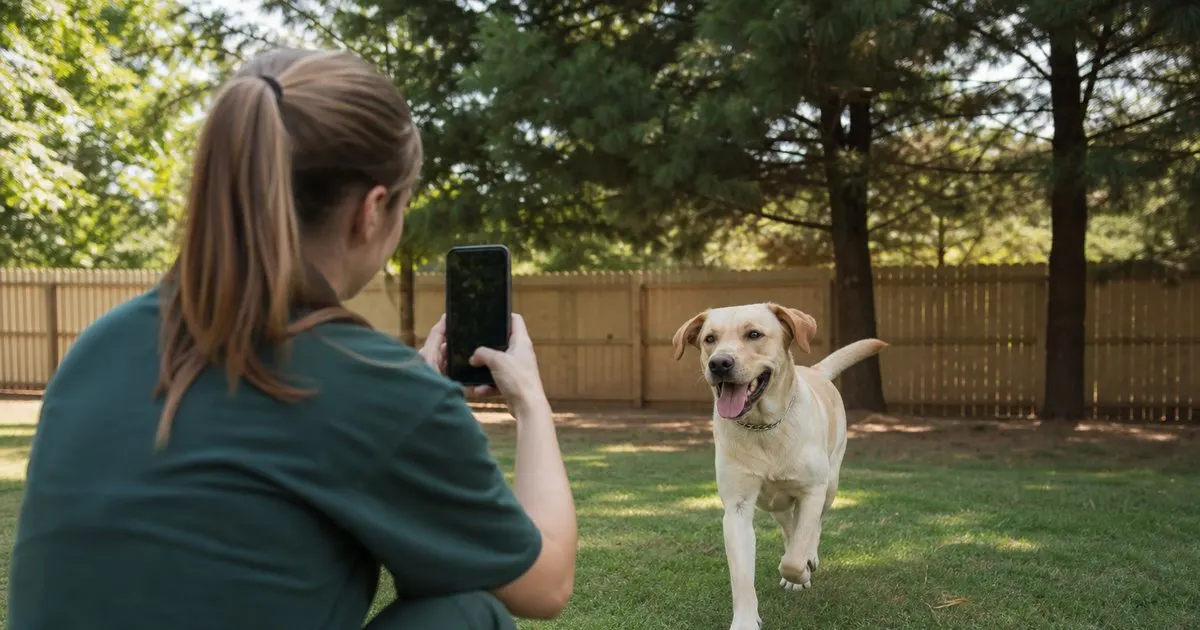
What owners actually need from an update
Owner anxiety peaks on the first night and fades quickly if that night goes well. A single first evening message that says the dog ate dinner, went out, and settled on the cot, with one clear photo, does more for retention than a daily stream for the rest of the stay. Owners are looking for evidence of three things: eating, resting, and engaging. A blurry photo through chain link with no context does not provide that evidence; it creates a new worry and a return text asking what is wrong. Related: What Makes Pet Owners Trust a Boarding Kennel With Their Dog?
Owners also need a stated expectation and a way to ask. Telling them at booking that you send an update the first evening and then every other day, and that they can text anytime, is far better than random updates that arrive when someone remembers. The worst case is a promised update that does not come. Silence after a promise is when owners start imagining the worst and calling the front desk during the evening feed. Related: How Do Boarding Kennels Avoid Double Booking During Busy Holiday Weeks?
Keep reading: How Do Boarding Kennels Avoid Double Booking During Busy Holiday Weeks?, What Vaccination Proof Should a Boarding Facility Require Before a Pet's Stay?, Why Do Deposits Reduce No Shows for Pet Boarding Reservations?. See how PetStayr helps you pet boarding reservations and kennel availability.
A cadence a small kennel can sustain
A workable default: an update the first evening, always; then every second day for stays of four or more nights; then a short message the day before pick up confirming the time. For one or two night stays, the first evening update is enough. For very long stays, a brief mid stay note with something specific, like a favorite yard game, keeps the owner connected. Tie the frequency to staffing rather than aspiration. Photos get taken in batches during yard time and sent in the gap between care blocks, not on demand. Related: What Vaccination Proof Should a Boarding Facility Require Before a Pet's Stay?
Make it a role, not a hope. One staffer per shift owns updates for a list of dogs, and the run card shows when the last one went out. Use a short template so each message takes seconds: name, ate breakfast and dinner, potty normal, mood, photo. Be honest. Skipped breakfast, ate dinner, is a fine update and builds trust. Hiding a skipped meal and then calling about a vet visit two days later destroys it.
Photos that reassure rather than worry
A few habits make photos work. Shoot in the yard or a clean area, at the dog's eye level, in natural light, with the dog doing something: carrying a ball, sniffing a fence line, sitting beside a staffer. Avoid shots through bars, on wet floors, or of a dog pressed into a corner. One good photo beats five mediocre ones. For a picky eater, a photo of the dog actually eating is the single most calming image you can send, so take it when it happens.
Get consent at intake for any use beyond the owner's own update, and keep marketing photos separate from stay updates. Never include another client's dog identifiably in a photo without that owner's permission, and never stage a photo that misrepresents the stay, such as a dog posed in a suite it is not staying in. Owners forgive an ordinary photo of an ordinary day. They do not forgive discovering that the picture was not true.
Where updates fit in the booking and record flow
The intake form should capture the owner's preference: text, email, or app; how often; and whether they want updates at all, because some people on a cruise genuinely prefer not to be pinged. Store that with the reservation so staff never have to ask. Log each update sent, with the date and the staffer, in the pet's record. That log protects you when an owner insists nothing arrived, and it shows the next shift where the cadence stands.
On tools, a shared phone and a group text works for a tiny kennel. A reservation system with a per pet timeline that stores the note and photo against the stay scales better and gives the pick up conversation a history to point to. Do not let the tool dictate the cadence; decide it yourself and configure the tool to match. Fold the cost of updates into your rate rather than charging per photo, which turns a reassuring gesture into a transaction. Related: What Is the Best Way to Set Check In and Pick Up Windows at a Boarding Kennel?
- The first evening update is the one that matters most; never miss it.
- Every other day is sustainable for most stays; daily is a promise many kennels cannot keep.
- Send honest notes with one good photo rather than cheerful spin with a blurry one.
- Record the owner's preference at booking and log every update sent.

Julien Jimenez
Julien Jimenez is an independent software builder based in Paris. He designs, ships, and operates focused SaaS products for small businesses and independent professionals. Read the full author page.
Fill every kennel without double booking
Pet boarding reservations and kennel availability. PetStayr is built to help you put this into practice.
Manage reservationsMore from the PetStayr blog
How Do Boarding Kennels Avoid Double Booking During Busy Holiday Weeks?
What Vaccination Proof Should a Boarding Facility Require Before a Pet's Stay?
Why Do Deposits Reduce No Shows for Pet Boarding Reservations?
Get the PetStayr playbook
Practical guides on pet boarding reservations, straight to your inbox as we publish them. No spam, unsubscribe any time.