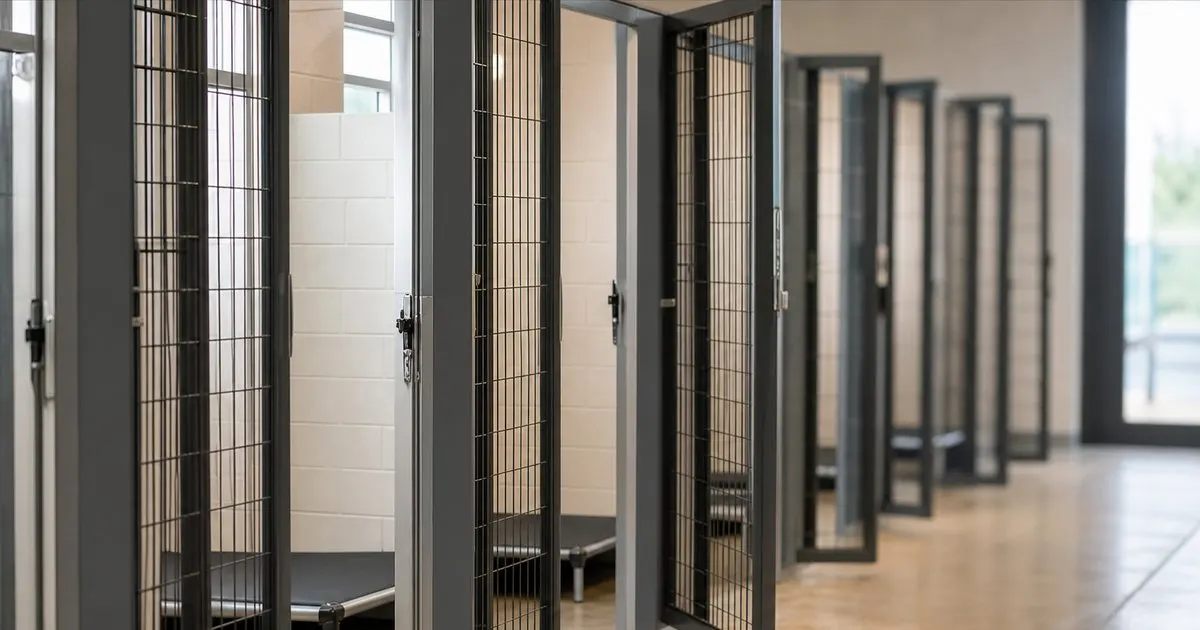
Pet boarding reservations
How Do Boarding Kennels Avoid Double Booking During Busy Holiday Weeks?
Holidays fill a kennel fast, and one double booking turns a family away. Here is how to keep availability accurate under pressure.
Practical, honest advice from the team behind PetStayr, written to help you do this well.
Holidays fill a kennel fast, and one double booking turns a family away. Here is how to keep availability accurate under pressure.
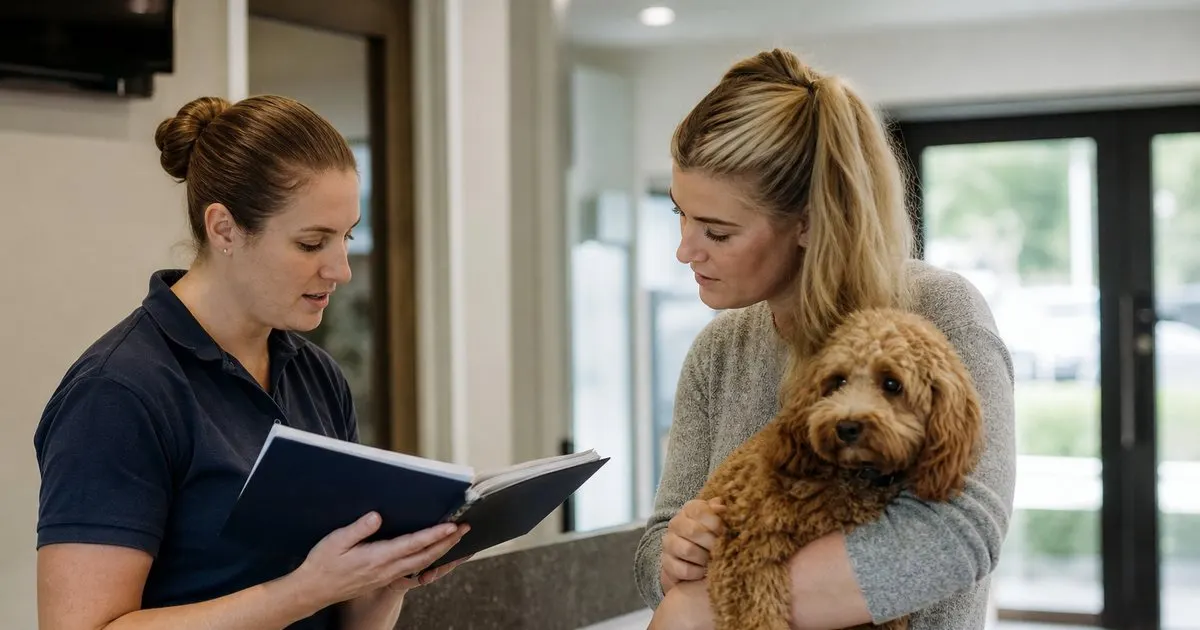
Requiring proof of vaccination protects every animal in your care. Here is what to ask for and how to handle it smoothly.
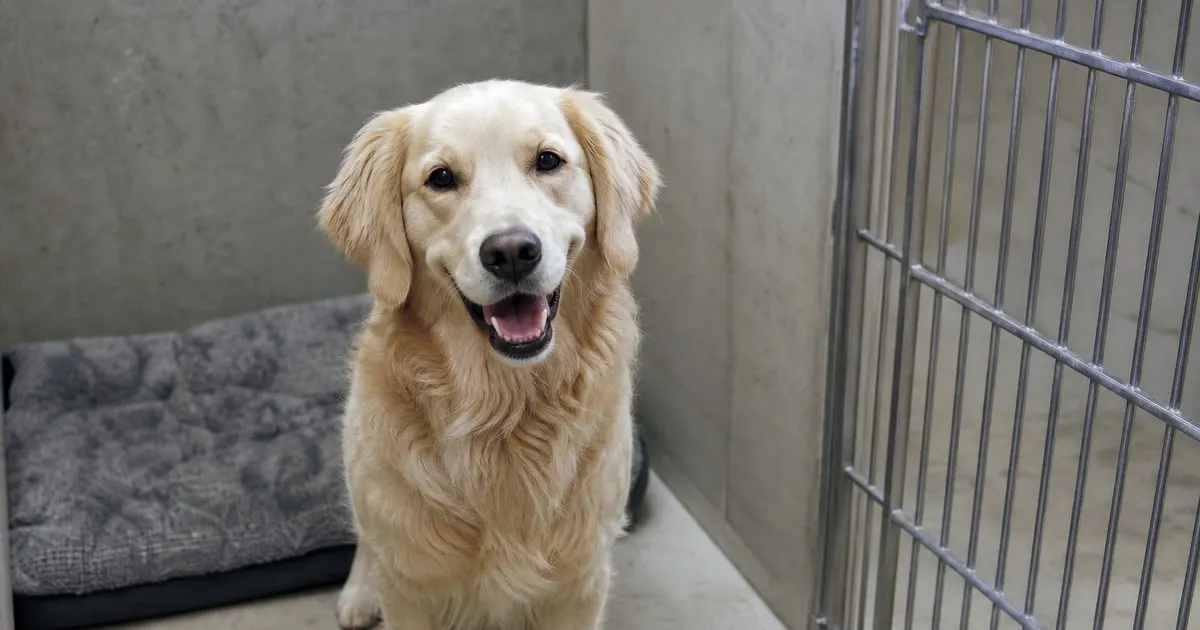
A no-show leaves a run empty on a day you could have filled it. Here is how a deposit changes owner behavior for the better.
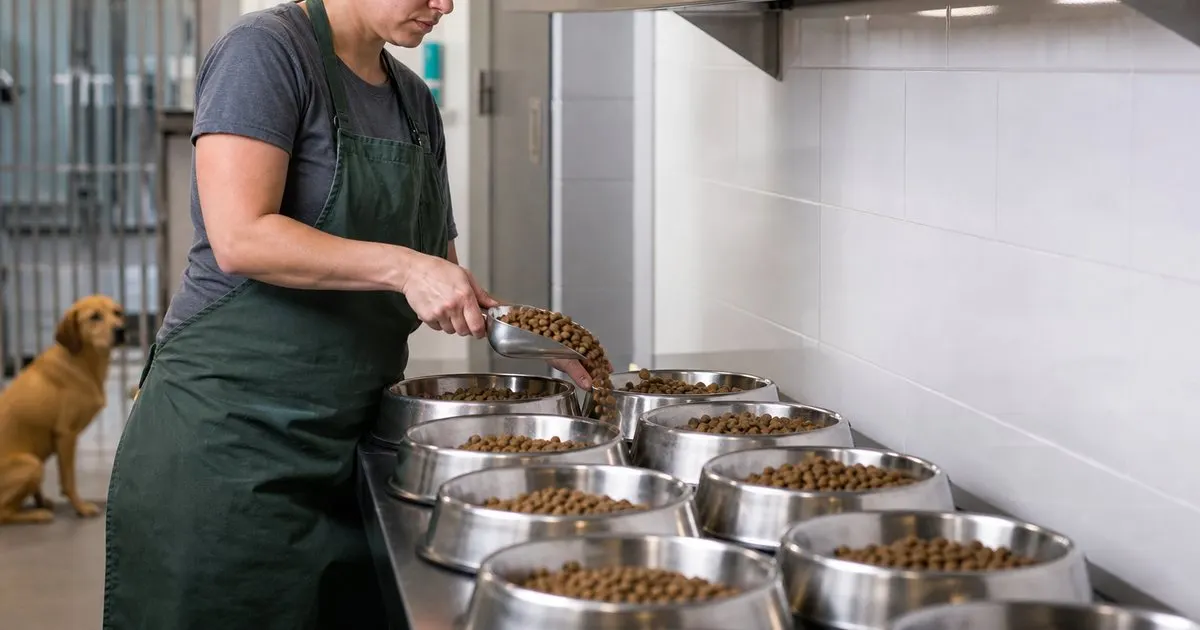
Getting a pet's food and medication right is a core duty of boarding. Here is how to capture and follow those instructions reliably.
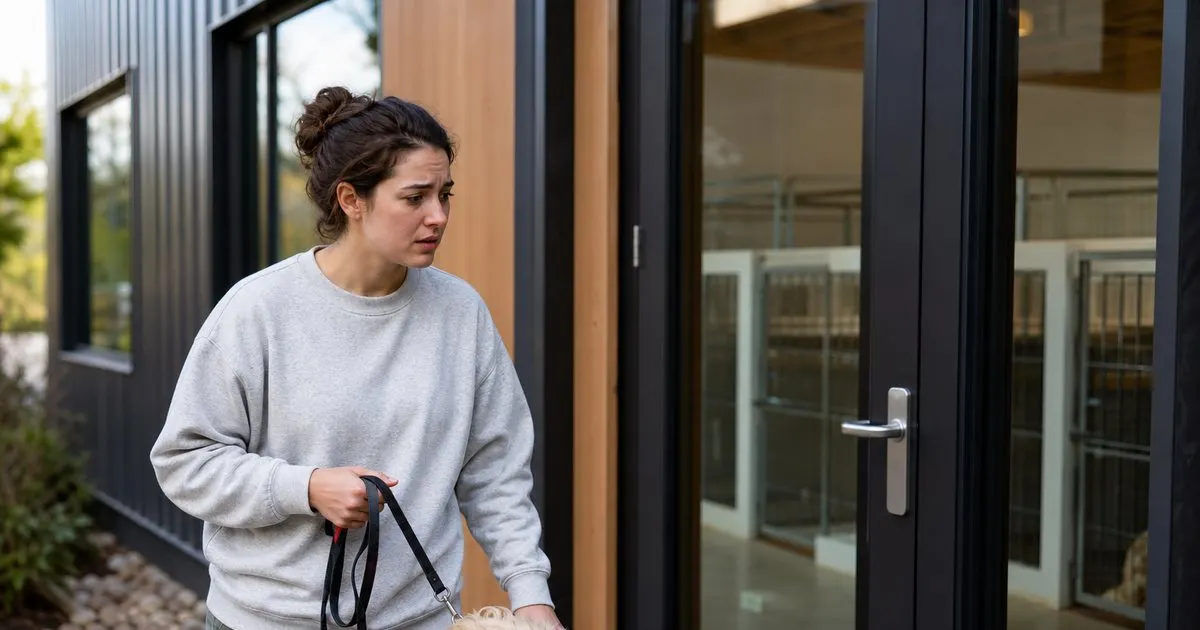
Protecting the whole kennel sometimes means declining a stay. Here is how to think about health-related refusals fairly.
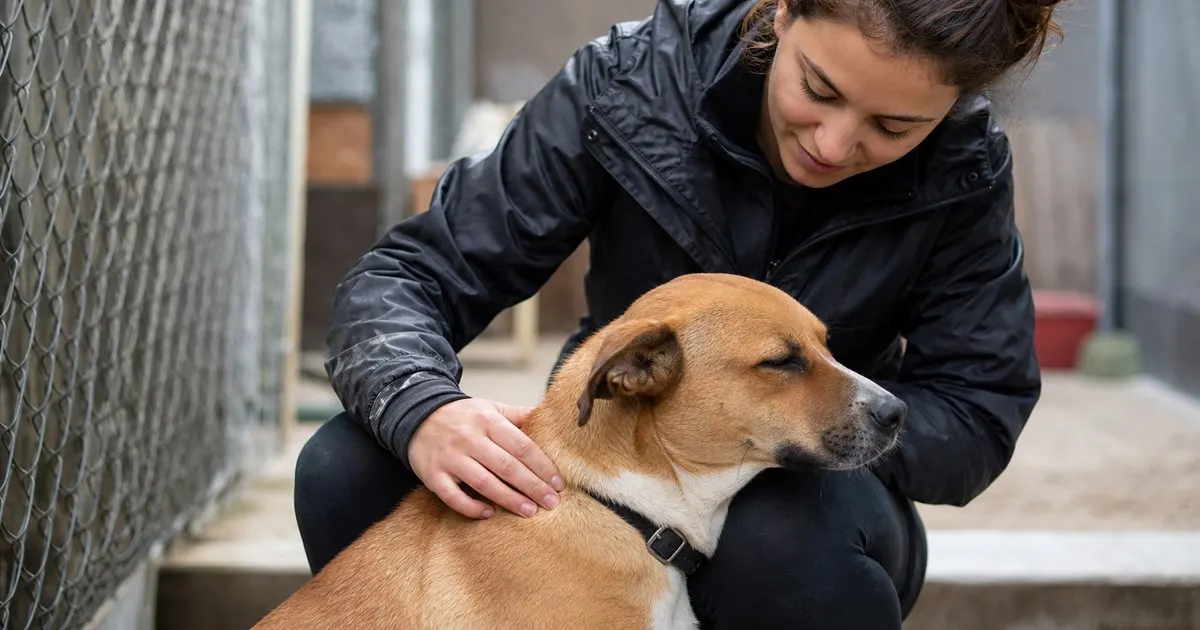
Owners leave their dog with strangers and worry the whole time. Here is what earns their trust and keeps them coming back.

Understanding booking lead times helps you plan capacity and open the right dates early. Here is what shapes how far ahead owners reserve.
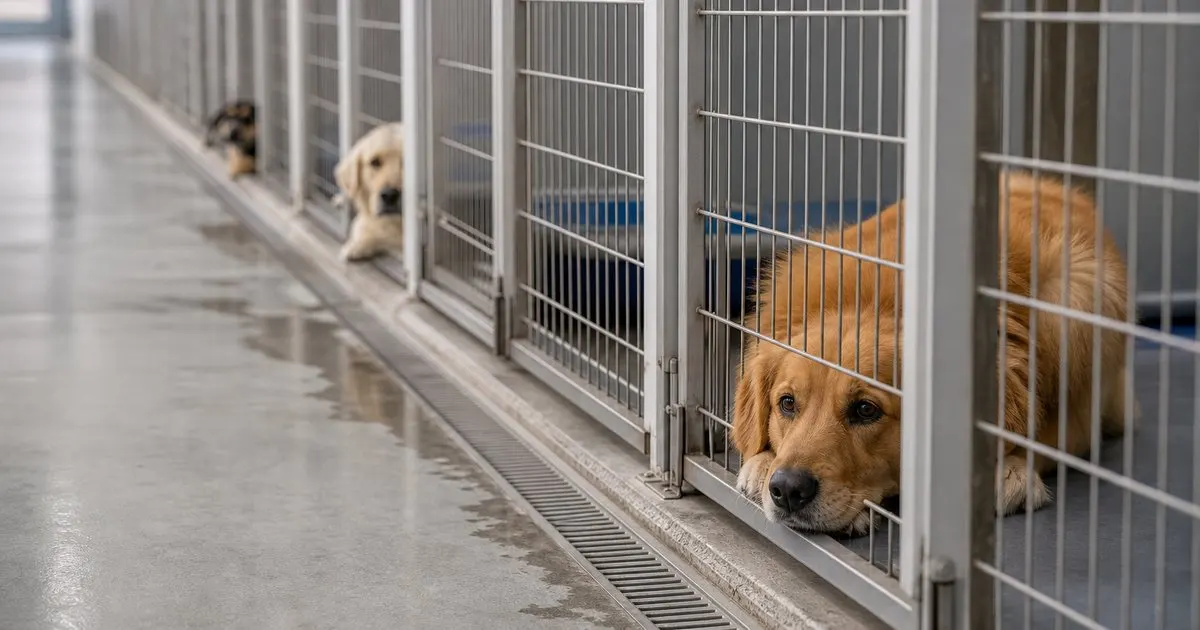
Weekends and holidays sell themselves, but midweek runs sit empty. Here is how to spot and act on the signals that fill them.

A cancellation policy has to protect your calendar without alienating good clients. Here is how to strike that balance.
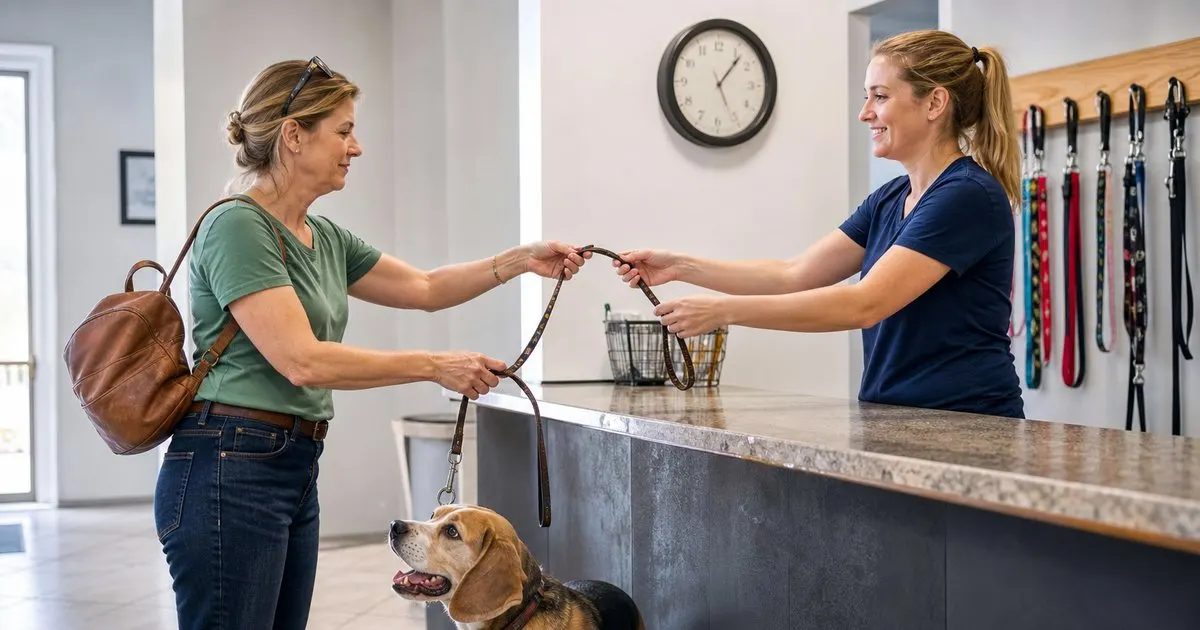
Open all day drop off and pick up hours create staffing gaps, rushed intakes, and runs you cannot resell. Here is how small kennels set windows that owners respect and staff can actually cover.
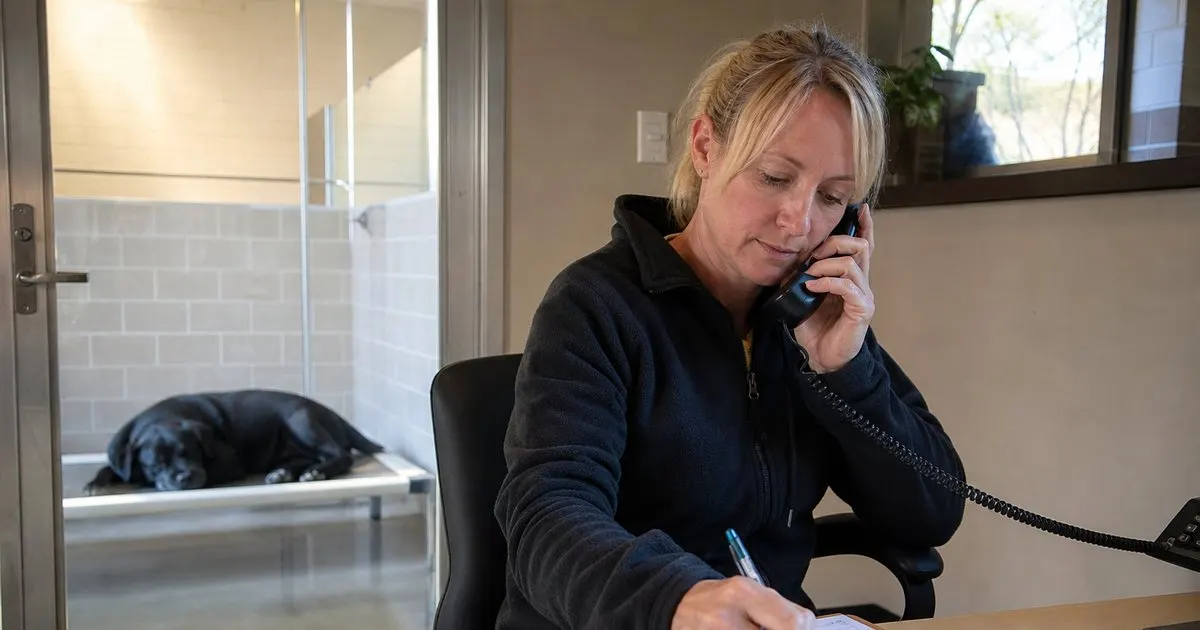
A waitlist is only useful if someone works it the moment a run opens. Here is a process that turns cancellations into booked nights instead of a list of names nobody called.
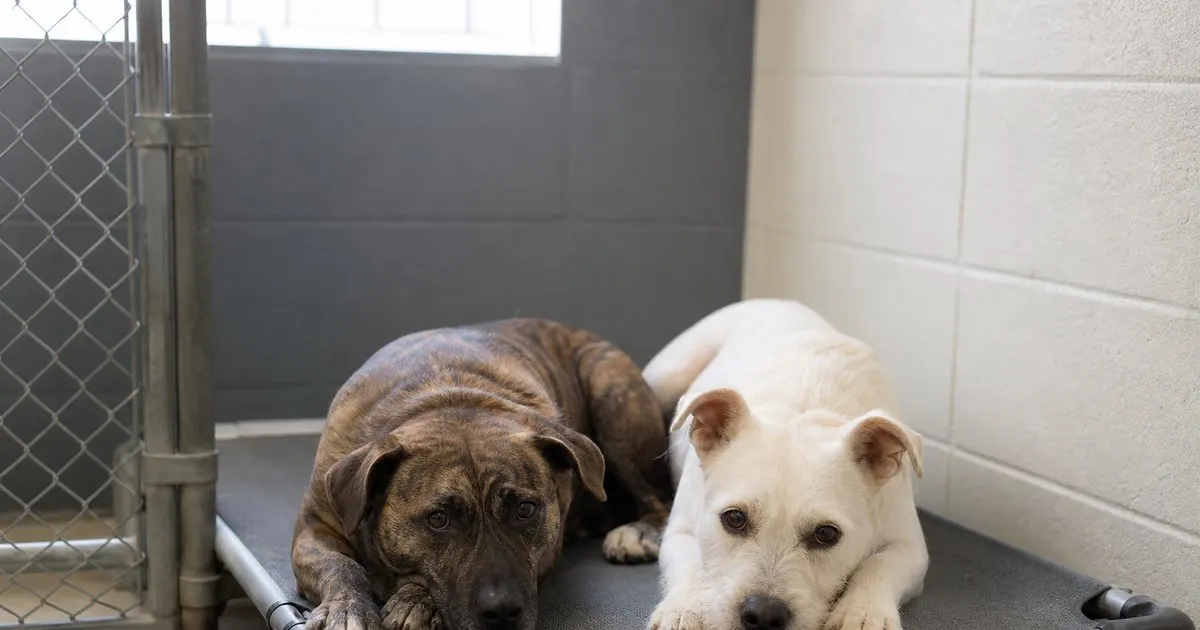
Owners often assume their two dogs should board together. Sometimes that is the right call. Here is how to decide, what to ask at booking, and how to set up, price, and record a shared run.
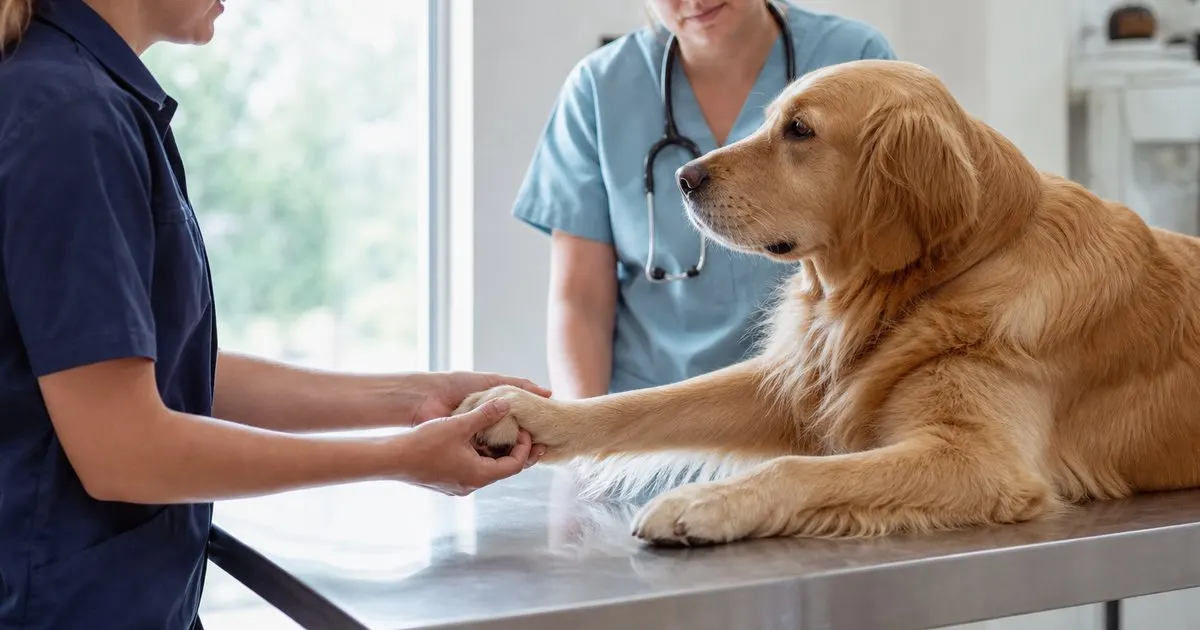
Sooner or later a dog in your care will vomit, limp, or stop eating while the owner is on a plane. The right response is decided at intake and written on the wall, not improvised in the moment.
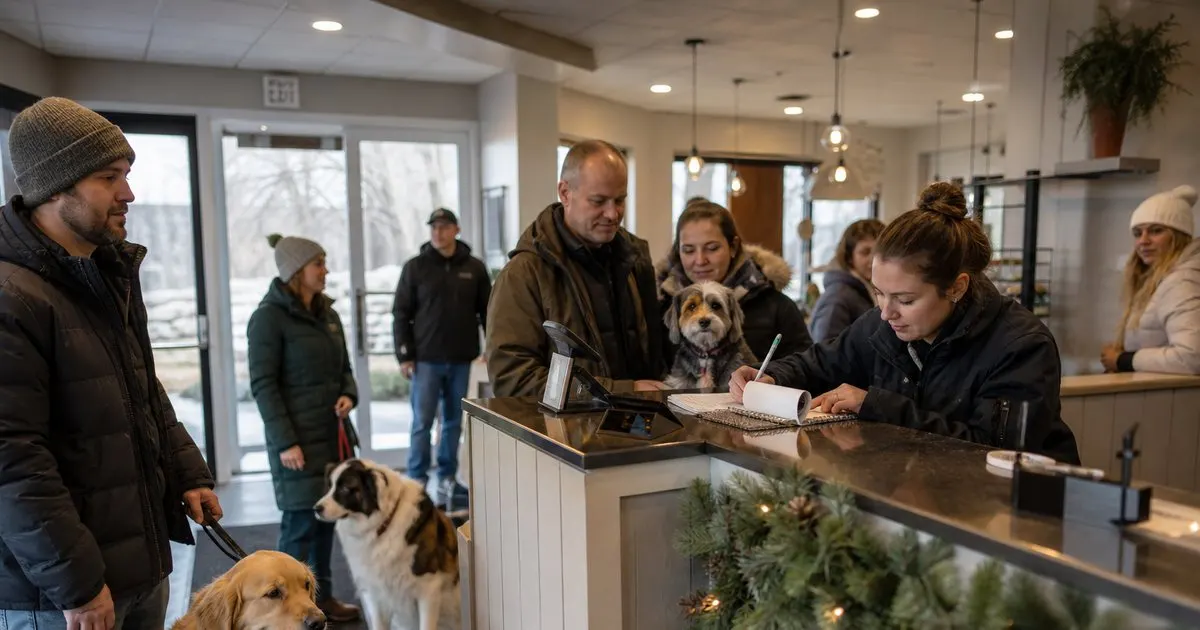
Holiday weeks sell out while February sits half empty. A peak rate is fair when it is predictable and explained. Here is how to set one from your own costs instead of a guess.
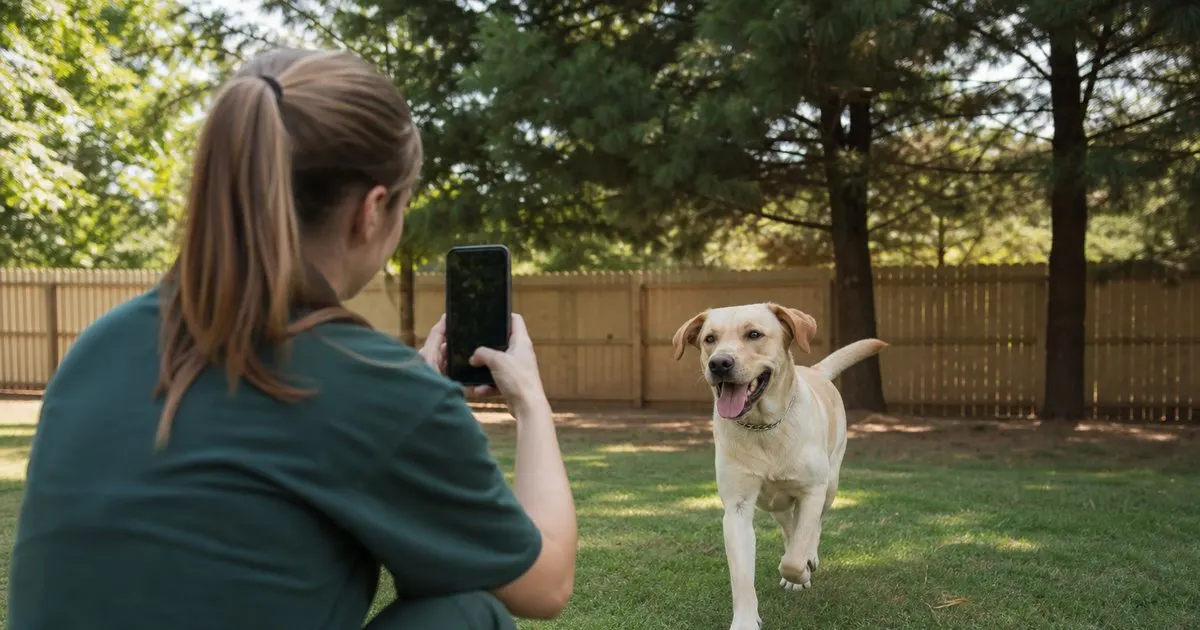
Owners on vacation want proof their dog is fine, but staff have runs to clean. Here is a cadence that reassures without turning your team into full time photographers.
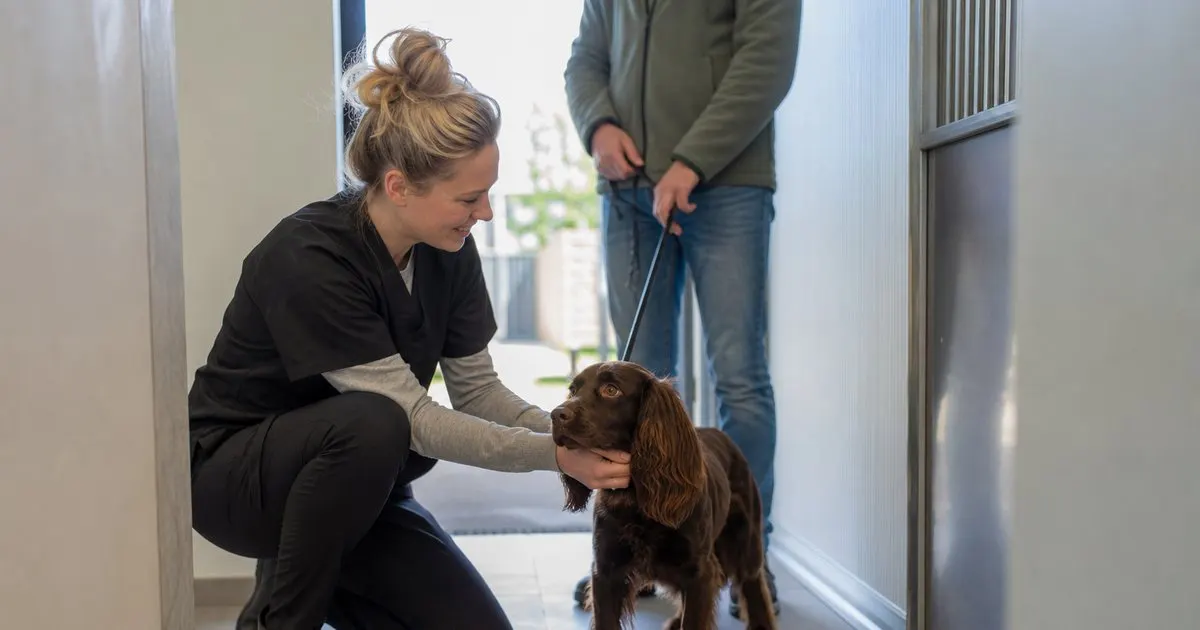
A few hours in your building before a ten night stay tells you and the owner what no intake form can. Here is what a trial day should test, how to score it, and when to require it.
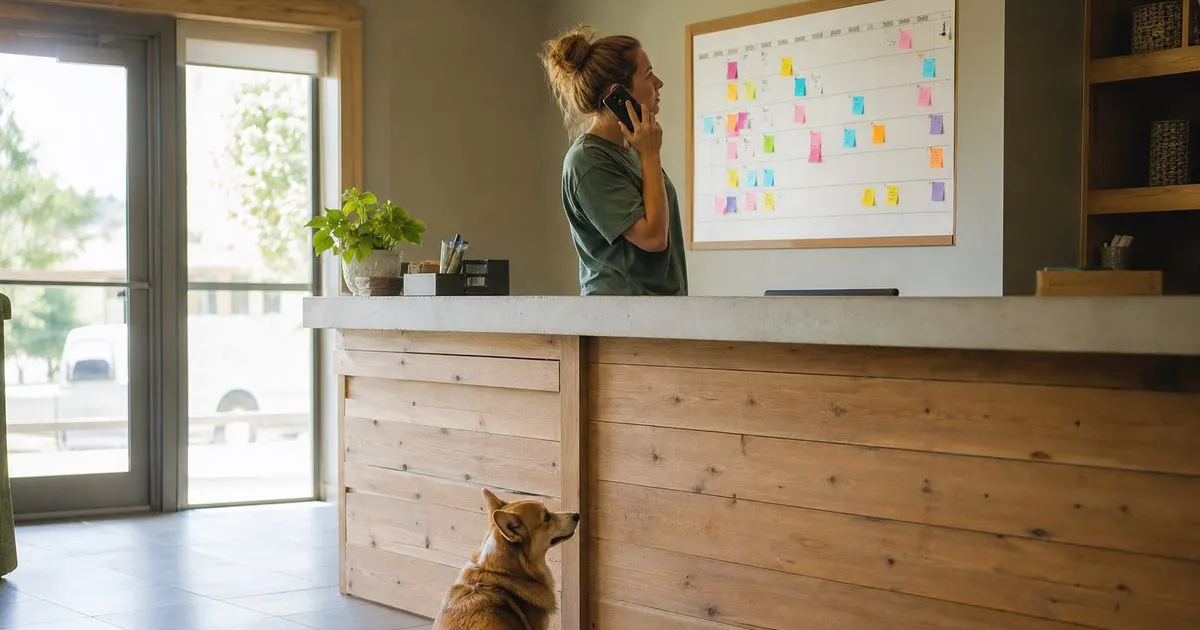
The flight got canceled, the surgery ran long, the owner needs two more nights. Extensions are routine, but on a full week they collide with the next arrival. Here is how to say yes safely.
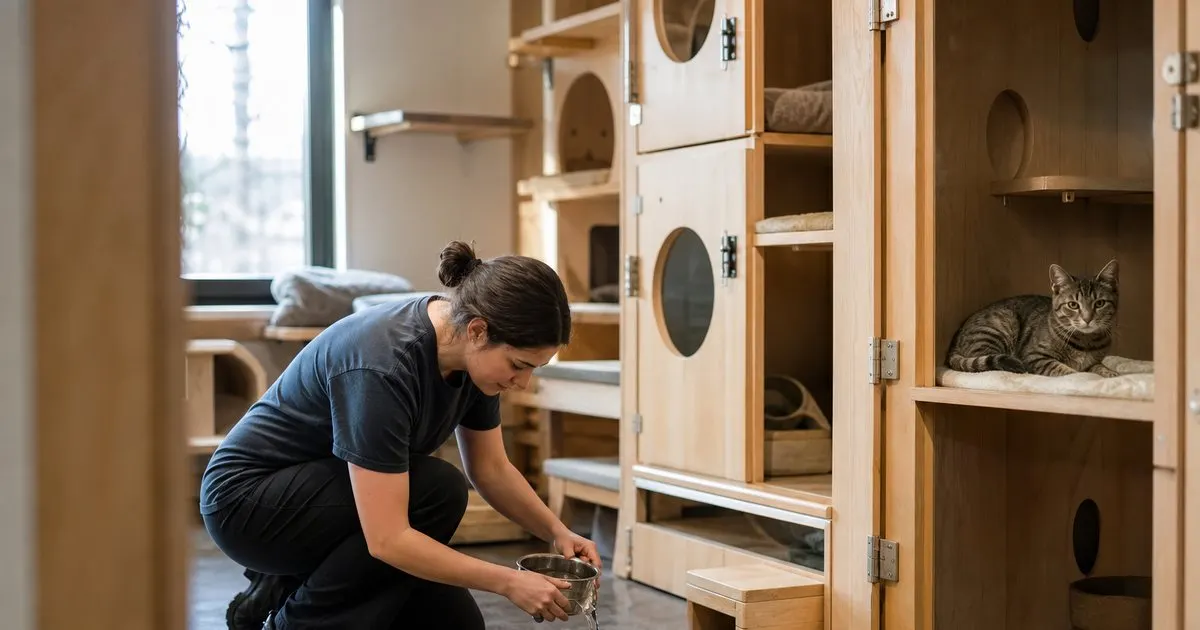
Adding cat boarding to a dog kennel is a good revenue move only if the cats cannot hear, smell, or see the dogs. Here is how to place, set up, and run a cat room that actually works.
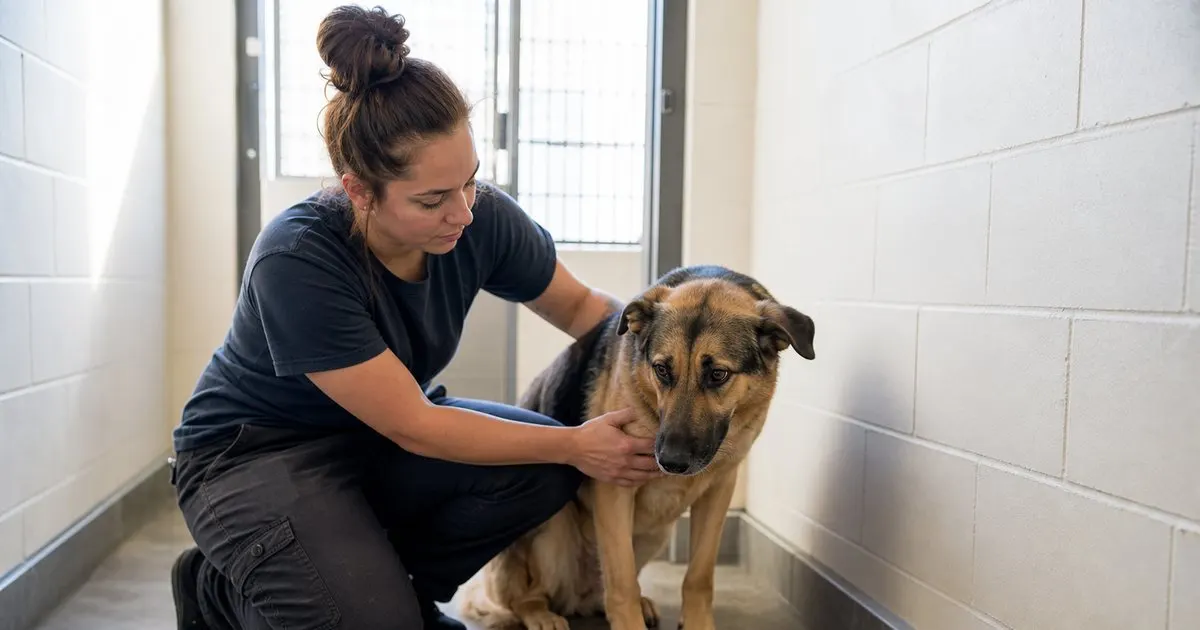
A dog that skips meals is the call every front desk dreads. Here is how experienced kennels tell ordinary stress hunger from a real problem, what to try first, and how to log and communicate it without alarming the owner.
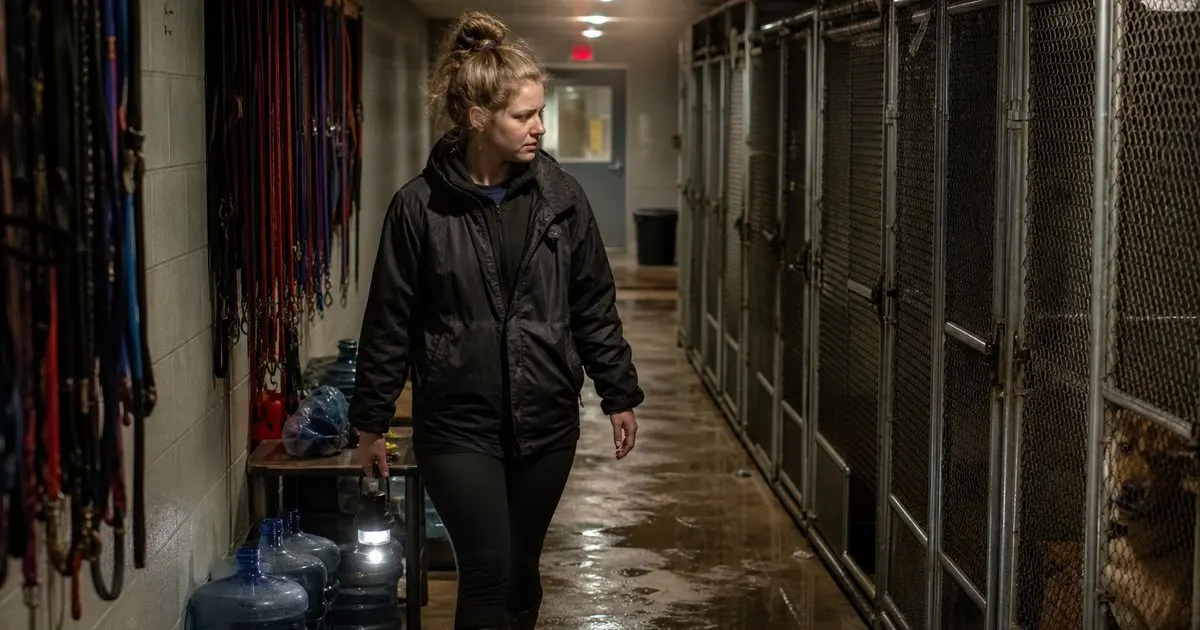
Losing power with a full building of dogs is a staffing and temperature problem long before it is a technology problem. Here is the plan small kennels use to decide, stock, staff, and communicate through an overnight outage.