What Should a Kennel Do When a Boarded Dog Needs a Vet Visit?
Sooner or later a dog in your care will vomit, limp, or stop eating while the owner is on a plane. The right response is decided at intake and written on the wall, not improvised in the moment.
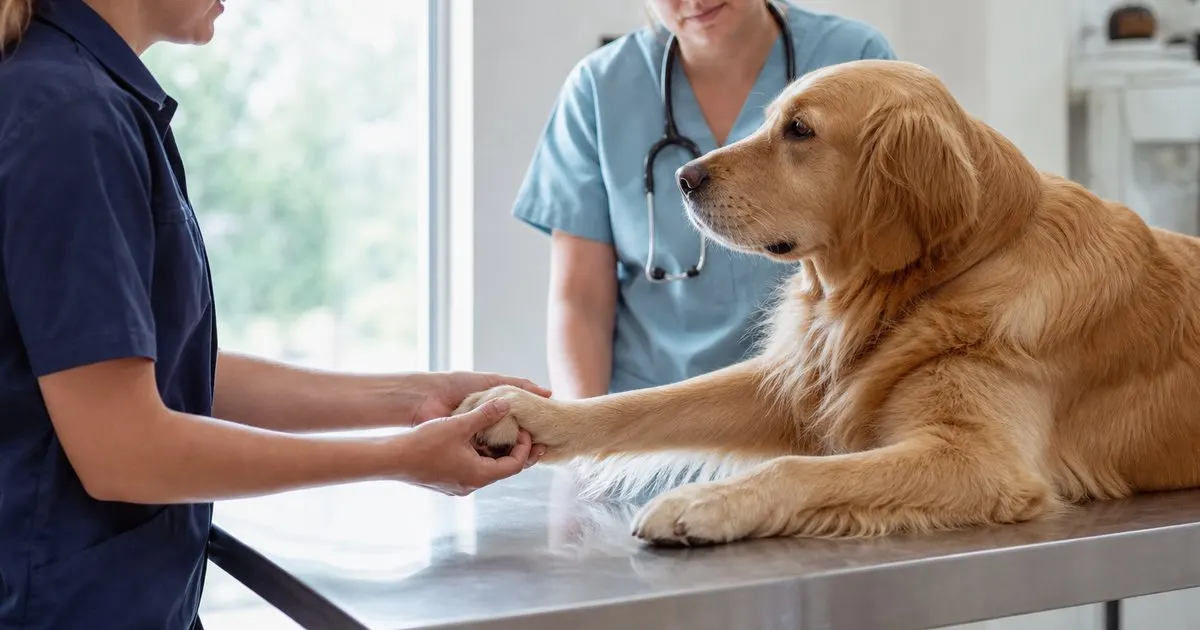
Decide the thresholds before you need them
Write two lists and post them where staff can see them. The call list is what triggers a vet contact without debate: repeated vomiting in a day, diarrhea with blood, refusing two consecutive meals, a limp that does not improve, a swollen or tight abdomen, labored breathing, unusual lethargy, or any seizure. The monitor list is what gets watched and recorded but not escalated on its own: one soft stool, skipping the first meal on night one, mild stress panting, a small scrape from the yard. No staffer should have to decide alone whether a symptom is serious. The list decides, and the manager confirms.
Know your vets before anything happens. You need the owner's vet from the intake form, your own local vet who knows the kennel, and the nearest emergency clinic that is open overnight, with the address and phone number printed on the wall and saved in every staff phone. Plan the transport too: who drives, which crate goes in the car, and who stays behind with the other dogs. A standing relationship with a nearby clinic means the receptionist knows who you are when you call at seven in the evening with a dog that will not stand up. Related: What Makes Pet Owners Trust a Boarding Kennel With Their Dog?
Keep reading: How Do Boarding Kennels Avoid Double Booking During Busy Holiday Weeks?, What Vaccination Proof Should a Boarding Facility Require Before a Pet's Stay?, Why Do Deposits Reduce No Shows for Pet Boarding Reservations?. See how PetStayr helps you pet boarding reservations and kennel availability.
Get authorization at intake, not at the emergency
The intake form should collect an emergency contact who can make decisions when the owner is unreachable, the owner's regular vet, and a signed veterinary care authorization with a spending limit the owner sets, or an instruction to call before exceeding an amount. Ask whether they prefer their own vet when practical or authorize yours. Say plainly how payment works: some kennels pay the clinic and invoice the owner, others require the owner's card on file with the clinic. Both are fine. Vague is not. Related: What Vaccination Proof Should a Boarding Facility Require Before a Pet's Stay?
Ask what normal looks like for this dog. A dog that always skips the first meal away from home is not an emergency on night one; a dog that has never missed a meal in its life and skips two is. Record pre existing conditions and the medications that go with them, and note anything the vet has told the owner to watch for. Finally, know what your own liability insurance covers and what it excludes before you promise anything to a worried owner on the phone.
The sequence during the incident
Run the same steps every time. Isolate the dog if the symptoms could be contagious. Record the time and exactly what you observed, not what you suspect. Check the call and monitor lists. Call the manager. Call the owner, leaving a voicemail and a text if there is no answer, then the emergency contact. If a call list threshold is met, go to the vet under the signed authorization without waiting for the owner to call back. Bring the intake sheet, the dog's medications and food, and the vaccination record, because the clinic will ask for all of it.
Communication is a single person's job for the rest of the incident. That person gives the owner facts: what was seen, when, what was done, what the vet said, and what it has cost so far. Do not diagnose and do not guess at causes. Follow every call with a text or email that repeats the same facts, so there is a written record the owner can reread on a plane. Keep updating even when there is nothing new, because silence is what owners fear most.
After the visit: records, costs, and the rest of the stay
Log the incident in the dog's record and in a facility incident log: symptoms, timeline, staff involved, clinic, diagnosis, treatment, cost, and every communication with the owner. Attach the vet paperwork. Then adjust the rest of the stay: a new medication schedule, isolation if needed, a food change, more frequent checks. Update the run card so the next shift sees it without being told, because the staffer who handled the emergency will eventually go home. Related: How Often Should a Boarding Kennel Send Photo Updates to Pet Owners?
Bill the vet cost exactly as agreed at intake. Decide in your written policy whether staff transport time is charged; many kennels waive it for a first visit and some charge a flat transport fee, and either is acceptable if it is printed. If the illness might have spread from another boarder, as with kennel cough, notify the other affected owners honestly and early. A week later, review the incident with the team: was the call list right, did the phone tree work, and did the car have what it needed. Related: How Do Boarding Kennels Avoid Double Booking During Busy Holiday Weeks?
- Write a symptom list that decides call versus monitor so no staffer has to guess alone.
- Collect vet authorization, a spending limit, and an emergency decision maker at intake.
- Go to the vet when a threshold is met, even if the owner has not called back yet.
- Log everything, including every message to the owner, and review the incident afterward.

Julien Jimenez
Julien Jimenez is an independent software builder based in Paris. He designs, ships, and operates focused SaaS products for small businesses and independent professionals. Read the full author page.
Fill every kennel without double booking
Pet boarding reservations and kennel availability. PetStayr is built to help you put this into practice.
Manage reservationsMore from the PetStayr blog
How Do Boarding Kennels Avoid Double Booking During Busy Holiday Weeks?
What Vaccination Proof Should a Boarding Facility Require Before a Pet's Stay?
Why Do Deposits Reduce No Shows for Pet Boarding Reservations?
Get the PetStayr playbook
Practical guides on pet boarding reservations, straight to your inbox as we publish them. No spam, unsubscribe any time.