How Should a Kennel Respond When a Boarded Dog Refuses to Eat for Two Straight Days?
A dog that skips meals is the call every front desk dreads. Here is how experienced kennels tell ordinary stress hunger from a real problem, what to try first, and how to log and communicate it without alarming the owner.
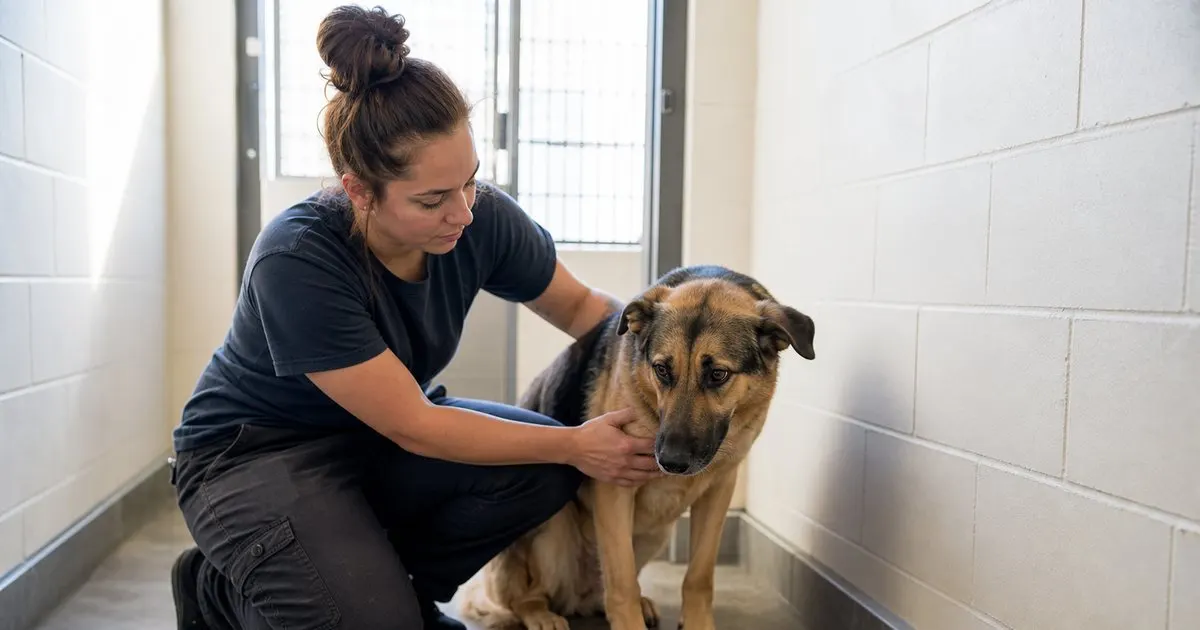
Skipped meals in the first days are usually stress, not illness
Almost every kennel sees the same pattern. A dog arrives, walks into a building that smells like forty other dogs, hears barking it has never heard before, and decides that eating is not the priority. It typically takes a day or two for a first time boarder to settle into the rhythm of the place, and a light appetite during that window is common enough that most experienced staff barely blink at it. The dogs that worry us are not the ones that leave half a bowl on night one. They are the ones whose behavior changes in other ways at the same time. Related: How Do Boarding Kennels Avoid Double Booking During Busy Holiday Weeks?
It also helps to separate two different sentences that owners and staff use interchangeably. One is that the dog is not eating. The other is that the dog is not eating the way the owner described. Plenty of dogs are free fed at home, or hand fed, or eat only after a walk, or eat only in a crate with the door shut. Drop that dog into an open run with a bowl set down at seven in the morning and it may genuinely not recognize the situation as a meal. Before you escalate anything, find out what eating looks like in that dog's kitchen, because the fix is often just recreating it.
Keep reading: How Do Boarding Kennels Avoid Double Booking During Busy Holiday Weeks?, What Vaccination Proof Should a Boarding Facility Require Before a Pet's Stay?, Why Do Deposits Reduce No Shows for Pet Boarding Reservations?. See how PetStayr helps you pet boarding reservations and kennel availability.
What to try during the first forty eight hours
Start by changing as little as possible. Use the food the owner sent, measured to the portion on the reservation, offered on the schedule the owner gave you. Leave it down for fifteen to twenty minutes, then pick it up and offer again at the next scheduled meal rather than leaving a bowl sitting all day, which tells you nothing and attracts flies. Small environmental adjustments do more than food changes: feed after the potty rotation rather than before, cover the front of the run with a towel so the dog is not watching traffic, and feed the quiet end of the building first so the loudest neighbors are not mid chorus.
Resist the urge to start swapping foods. Every kennel has a bag of something tempting in the back, and every kennel has also caused a case of diarrhea by reaching for it on day one. If you want to add anything, warm water stirred into kibble is the safest lever, and any real topper should be something the owner packed or approved in writing, because prescription diets, allergies, and pancreatitis histories are exactly the things owners forget to mention. Meanwhile, watch the things that carry more information than the bowl does: water intake, stool quality, energy on the leash, and whether the dog is bright and interested when a person walks up. Related: What Makes Pet Owners Trust a Boarding Kennel With Their Dog?
When a missed meal turns into a medical question
A healthy adult dog that skips meals but drinks normally, moves normally, and greets staff normally is a behavior problem to solve. The picture changes fast when other signs appear. Vomiting, diarrhea, blood at either end, a tucked or painful belly, obvious lethargy, or repeated unproductive retching move the situation from a note in the log to a phone call, and unproductive retching with a distended abdomen in a deep chested dog is an emergency that does not wait for a callback. Refusing water is far more serious than refusing food, and it should be treated as urgent on its own.
Certain dogs also have a much shorter clock. Puppies and toy breeds can drop their blood sugar quickly, so a day of no calories is not something to observe casually. A diabetic dog on insulin cannot receive its normal dose without food, and that decision belongs to the owner and the veterinarian, not to a staff member improvising at six in the morning. Any dog on medication that must be given with a meal has the same issue. This is exactly why a signed veterinary authorization with a named clinic, an agreed spending limit, and a reachable local contact belongs on the reservation at booking, long before anyone needs it. Related: When Should Two Dogs From the Same Family Share a Boarding Run?
Log it properly, then tell the owner before they ask
A feeding refusal is only useful information if the next shift can see it. Record each offer against the reservation itself with the time, what was offered, roughly how much was eaten, and what you tried. Sticky notes on a run card get lost, and a verbal handover at shift change turns into nobody being sure whether the dog ate on Tuesday night. Our own software keeps a per stay feeding log for this reason, but the principle matters more than the tool: the record has to live with the booking so that a manager can answer the owner's question three days later without guessing. Related: How Should Kennels Handle Feeding and Medication Notes for Boarded Pets?
When you do contact the owner, be short, factual, and calm. Say what the dog has eaten, what you have tried, that the dog is bright and drinking, and what you will do next. Send a photo of the dog looking relaxed if you have one, because a picture defuses the panic that the word refusing creates. Avoid dramatic phrasing and avoid promising a diagnosis. Then close the loop for next time by writing the workaround that finally worked into the pet profile, so the next intake starts with a covered crate and a late feed instead of two days of trial and error.
- A light appetite in the first day or two is typical for a new boarder and rarely means illness on its own.
- Recreate the dog's home feeding conditions before you change the food itself.
- Vomiting, diarrhea, lethargy, refusing water, or an insulin dependent dog turns a wait and watch into a call.
- Log every offer against the reservation and update the pet profile with whatever worked.

Julien Jimenez
Julien Jimenez is an independent software builder based in Paris. He designs, ships, and operates focused SaaS products for small businesses and independent professionals. Read the full author page.
Fill every kennel without double booking
Pet boarding reservations and kennel availability. PetStayr is built to help you put this into practice.
Manage reservationsMore from the PetStayr blog
How Do Boarding Kennels Avoid Double Booking During Busy Holiday Weeks?
What Vaccination Proof Should a Boarding Facility Require Before a Pet's Stay?
Why Do Deposits Reduce No Shows for Pet Boarding Reservations?
Get the PetStayr playbook
Practical guides on pet boarding reservations, straight to your inbox as we publish them. No spam, unsubscribe any time.