Why Does a Trial Day Before a First Boarding Stay Prevent Problems Later?
A few hours in your building before a ten night stay tells you and the owner what no intake form can. Here is what a trial day should test, how to score it, and when to require it.
What an intake form cannot tell you
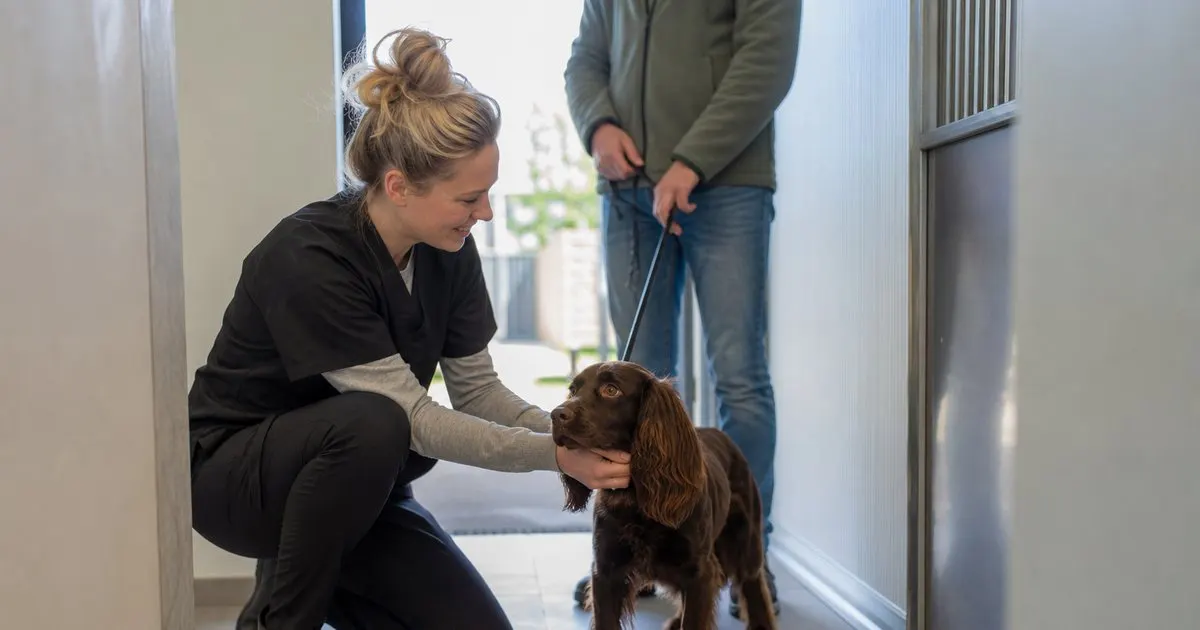
Owners describe their dogs generously, and not dishonestly. Friendly with everyone can mean the dog has never met a stranger inside a closed room. Fine alone can mean fine alone in a familiar house with the television on. The intake form gives you medical facts and preferences, which you need. The trial day gives you behavior: how the dog reacts to the noise of the building, to being handed off, to a stranger touching its collar, to a closed gate. Fence climbing, barrier reactivity, separation panic with drooling and escape attempts, and flat refusal to eat all show up within a few hours.
For the owner, the trial day is reassurance. They see the space, meet the people, and their dog comes home tired and normal. That cuts the day one anxiety calls and the last minute cancellations from cold feet that hit right before holidays. It also gently filters the owners who were never going to be comfortable with boarding at all, which is a discovery you would much rather make in October than on the Wednesday before Thanksgiving. Related: What Makes Pet Owners Trust a Boarding Kennel With Their Dog?
Keep reading: How Do Boarding Kennels Avoid Double Booking During Busy Holiday Weeks?, What Vaccination Proof Should a Boarding Facility Require Before a Pet's Stay?, Why Do Deposits Reduce No Shows for Pet Boarding Reservations?. See how PetStayr helps you pet boarding reservations and kennel availability.
What to test in a few hours
Structure the trial around the moments that predict a stay. Watch the handoff: does the dog walk off with staff while the owner leaves, or dig in? Put the dog in a run alone for a stretch and distinguish grumbling, which is normal, from sustained panic and escape attempts, which are not. Handle the dog: leash on and off, collar check, touch the paws. Offer a meal or a treat in the run and see if it eats. Run a yard session with a staffer. If you offer group play, introduce one calm, known dog carefully. Then return the dog to the run and see whether it settles after activity.
Score it simply and in writing: green means fine to board, yellow means board with conditions such as no group play, extra visits, or a calming routine, and red means not now, with suggestions for alternatives. Record specific observations rather than impressions. Settled after twenty minutes with the blanket from home is useful; seemed a little nervous is not. Note what worked, because that becomes the plan for the real stay.
Running trials without losing a day of staff time
Schedule trials on quieter days, usually midweek mornings, and in small blocks of two or three dogs so a single staffer can run them. Charge a modest fee or credit it toward the first stay; a free trial gets treated as free daycare and no shows pile up. Require current vaccination records before the trial, exactly as you would for boarding. Keep the trial to roughly a half day. A full day adds very little information and takes a person off the floor. Related: What Vaccination Proof Should a Boarding Facility Require Before a Pet's Stay?
Store the trial observations on the pet's profile so every future booking benefits. Tag the profile with something staff can act on: evaluated, group play approved, or solo yard only. On the reservation side, either allow first time boarders to book only after an evaluation, or mark the first stay as pending evaluation so the front desk knows what still has to happen. Dogs that have boarded with you before do not need to repeat it unless something has changed, such as a new fear, advancing age, or a medical condition. Related: How Far Ahead Do Most Families Book Pet Boarding for Vacations?
When to require it, and when to skip it
Require a trial for any first time boarder staying more than a couple of nights, any dog going into group play, any dog with a disclosed bite or fight history, and any dog whose owner hesitates when asked how it does alone. Strongly recommend it for first timers booking a holiday stay. Decide in advance what happens when a first timer wants Thanksgiving week without a trial: some kennels accept with a solo only condition, others decline, and either is fine as long as the answer is consistent. Related: How Do Boarding Kennels Avoid Double Booking During Busy Holiday Weeks?
Skip the formal trial for dogs that boarded with you recently, for genuine emergencies such as an owner going into the hospital, and for dogs coming from a daycare you know and trust. Even then, do a longer handoff and have someone watch the first hour closely. The point of the trial day is knowing how the dog will cope, not performing a ritual. When you already know, book the stay.
- A trial day reveals separation panic, barrier reactivity, and food refusal that no form captures.
- Test the handoff, the run alone, handling, eating, the yard, and one calm dog introduction if you offer group play.
- Score green, yellow, or red with specific observations and store it on the pet's profile.
- Require trials for first time boarders on longer or holiday stays, and skip the ritual for proven regulars.

Julien Jimenez
Julien Jimenez is an independent software builder based in Paris. He designs, ships, and operates focused SaaS products for small businesses and independent professionals. Read the full author page.
Fill every kennel without double booking
Pet boarding reservations and kennel availability. PetStayr is built to help you put this into practice.
Manage reservationsMore from the PetStayr blog
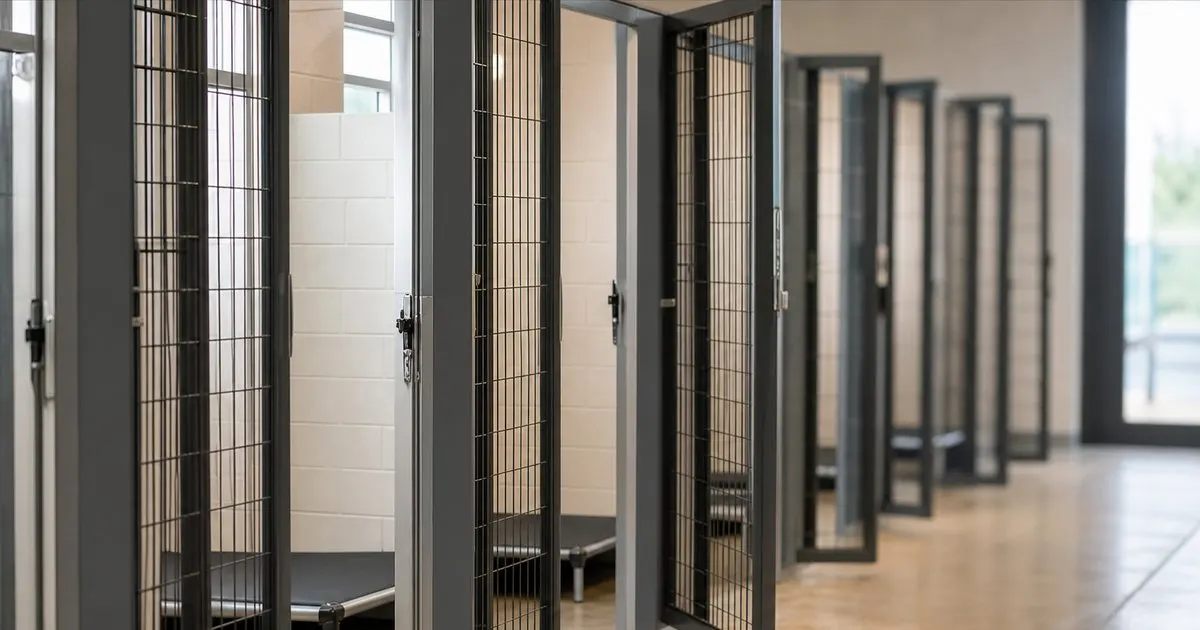
How Do Boarding Kennels Avoid Double Booking During Busy Holiday Weeks?
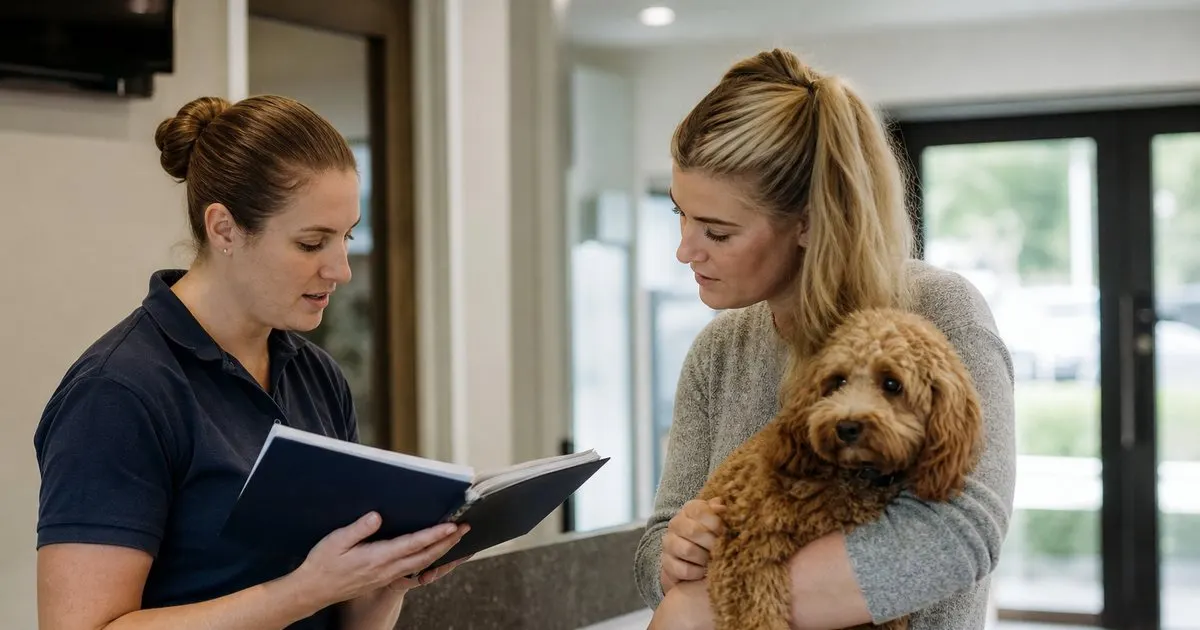
What Vaccination Proof Should a Boarding Facility Require Before a Pet's Stay?
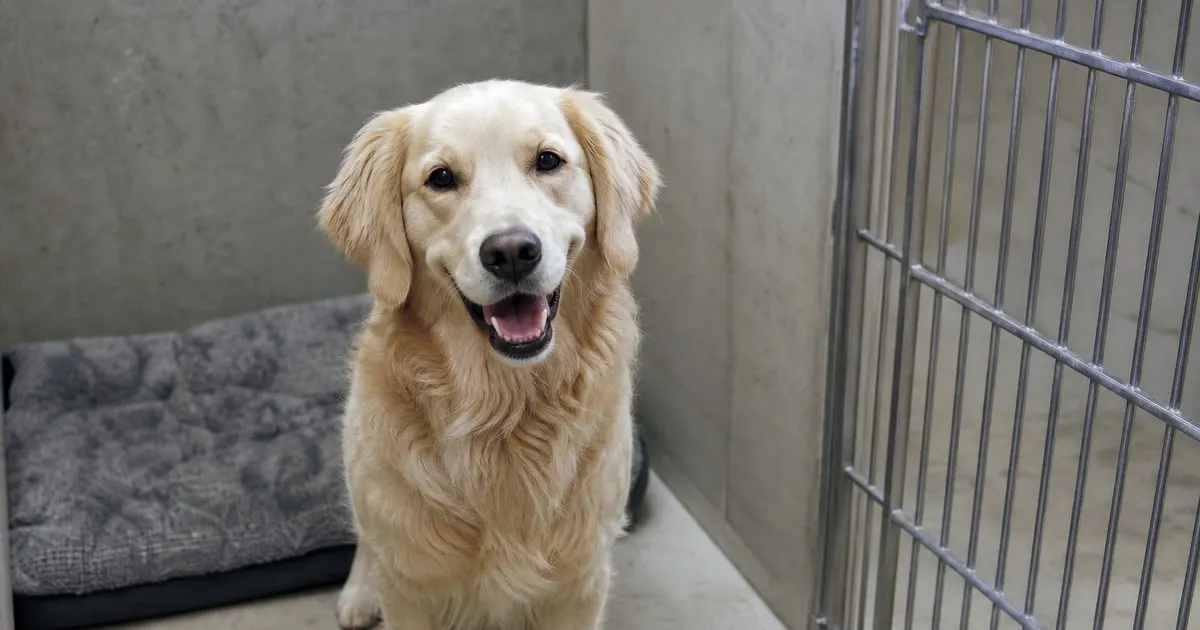
Why Do Deposits Reduce No Shows for Pet Boarding Reservations?
Get the PetStayr playbook
Practical guides on pet boarding reservations, straight to your inbox as we publish them. No spam, unsubscribe any time.